
From tender tomahawks to sizzling striploins, cities all over the world know how to serve their steak – here are our favourite spots.
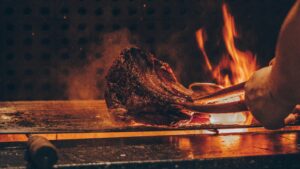
What would be your death row meal? Some might choose sushi, many would choose pizza, but there’s a whopping proportion of us who would opt for a steak without a moment’s thought.
Picture it: a generous hunk of freshly sizzled, melting beef, doused in smokey flavour and oozing all those salty, meaty juices, with some chips on the side. Drooling? Us too.
The good news? Outstanding steaks are being cooked all over the world, from Michelin-starred chefs searing it up in Paris to
an Australian restaurant producing plates of meat in just 15 minutes – 15 minutes!
So, for all the steak fanatics out there, we’ve called on our network of editors and international writers about their favourite
spots for a steak in their city. Vegetarians and vegans of the world, we recommend you look away now.
1. El Toro, Agadir
How it’s cooked:
Fillet cooked medium rare, chunky cut with a strong char-grilled effect.
We don’t have world-famous steakhouses in Agadir, most locals pick cuts from a butcher and take them to a grill spot for cooking.
However, if you prefer to pair steak with a glass of red, you’ll need to choose a licensed restaurant: cue El Toro, a lively, slightly touristy, Spanish restaurant that serves surprisingly amazing steaks.
I’ve tried the entrecote, fillet and T-bone, the latter cooked at the table. Fillet is my favourite: tender, flavoursome and perfectly cooked.
2. Klaw, Miami
How it’s cooked:
16 oz. Florida cracker striploin, cooked medium-rare.
This highly-ranked newcomer to the Miami steakhouse scene has partnered with local ranchers to serve Florida Cracker Cattle, one of the oldest and rarest breeds in the US (it’s claimed that one of Klaw’s partners can trace the DNA of their cattle back to the original herd brought to Florida in 1521).
Our cut was juicy and tender, and though it came with a side of two delicious sauces, we found its wood-fired flavour shines best on its own.
Plus, Florida Cracker meat is high in Omega-3 fatty acids since the cattle graze on grass instead of corn.
3. Adega Solar Minhoto, Lisbon
How it’s cooked:
The bitoque cooked medium rare, with plenty of sauce and a generous hit of garlic.
If there’s one dish that every Portuguese person can instantly recognise and every restaurant quietly serves – even when it’s not on the menu – it’s the bitoque.
Imagine a perfectly cooked steak, just the right thickness, swimming in a garlicky sauce and served with golden fries, rice, and a fried egg on top. When it comes to the bitoque league table, Adega Solar Minhoto’s version is a clear frontrunner, thanks to its sauce.
This Minho-style eatery also dishes out generous portions of comfort food, from hearty rojões and cabidela to Bacalhau à Minhota and lamprey, available by request during its season.
All of this is announced on a chalkboard at the entrance, scrawled by hand, just to keep things charmingly old-school.
4. La Cabrera, Buenos Aires
How it’s cooked:
Medium-rare.
I like La Cabrera’s rib-eye steak, a dry-aged, wide rib-eye steak with the top and bone included.
To get a bit technical, the ideal cooking time is what keeps the cut juicy. The outside is seared while 50 percent of the interior meat is left raw.
The core temperature at the centre of the steak should be between 55-60C. It’s juicy on the inside, golden brown on the outside, and the bone is left in, giving it a rich flavour.
The meat comes from Angus, Hereford, and Wagyu breeds, and if you’re in Buenos Aires, this place is a must-try.
5. Clover Grill, Paris
How it’s cooked:
Here, all the meats are grilled over embers for an extra smoky flavour that fills the room and the plate (keep in mind: asking for meat cooked beyond rare is considered a sin).
Michelin-starred chef Jean-François Piège opened Clover Grill for all the meat heads back in 2016, and it has remained the go-to steakhouse in Paris ever since. The décor is classy (marble counter, leather banquette), and the meat exceptional, particularly the Black Baltic rib-eye.
It arrives perfectly rare and tender (with sublime fat), accompanied by goose-fat roasted potatoes and homemade Béarnaise sauce – but really, the meat is so good you can have it on its own, with just a little flaky salt.
6. IRON, Cape Town
How it’s cooked:
Tomahawk, medium-rare.
At IRON Steak and Bar – slap-bang in the heart of Cape Town’s restaurant boulevard, Bree Street – steaks are flamed on the Spanish Vulcano Grez grill, and the menu runs from prime cuts to the superb Wagyu flat-iron.
But nothing beats a Tomahawk (that’s a bone-in rib-eye) for an indulgent supper, with a bowl of chimichurri to cut through the fattiness.
On the side, expect a contemporary take on classic steakhouse fare: dressed leaf salad (to pretend this is a healthy night out) or the delicious truffled leek mac-and-cheese. Don’t miss the chips cooked in Wagyu drippings.
And that contemporary approach is mirrored in the décor, with cosy banquettes and streetside views, and a solid wine list of top Cape estates.
7. Alfie’s, Sydney
How it’s cooked:
Sirloin, cooked medium-rare.
Alfie’s promise is steak on your table within 15 minutes of ordering. And because this is the Bistecca and Gidley team we’re talking about, it ain’t just any old steak, but a 220g Riverine sirloin, dry-aged at the on-site butchery tucked at the back right of the room.
It arrives blackened on the outside (thanks to the sizzle from Alfie’s custom-made grill), blushing pink, and with a glorious amount of fat, char and seasoning.
Paired with a green sauce, heady with confit garlic, Dijon mustard and horseradish, and it’s a cut above most steaks in town.
Oh, and it really does hit your table in 15 minutes.
8. Fireside, Hong Kong
How it’s cooked:
Dry-aged Rubia Gallege, ribeye bone, medium rare.
As one of the few restaurants in Hong Kong specialising in open-flame cooking, Fireside knows its stuff when it comes to showcasing each ingredient’s complexity.
The restaurant also has an open meat cellar, which stores and dry-ages all their premium cuts of beef from all over the world. The standout option among them is the Spanish Rubia Gallege, a renowned variety of beef appreciated by even the stuffiest of steak snobs. These cattle are raised for over 10 years before they’re butchered, nurturing an incredibly rich meaty flavour.
My favourite is the 13-year-old Rubia Gallege dry-aged for 45 days, expertly grilled over quality wood until medium rare. Its caramelised exterior makes for a steak experience that’ll leave you craving more.
9. Lana, Madrid
How it’s cooked:
The Chuleta Selección Lana, rare and served with fries cooked in beef fat.
When we Madrileños think about grilling meat, our mind turns to one of two places: the Basque Country or Argentina. That’s why Argentine restaurant Lana – a refuge decorated in warm wood and cosy lighting from brothers Martin and Joaquín Narvaiz, who hail from Tandil in central Argentina – that caught our attention. From their hot coals, you can order a 4cm thick ribeye or a Spanish top loin steak that’s been dry-aged for 120 days.
Their wine cellar is home to the strongest collection of Argentine wines in Madrid, the Beef is sourced from La Pampa in Argentina, Germany, and Portugal, and Lana serves varieties including Aberdeen Angus, Rubia Gallega, or Wagyu.
10. Le Relais de Venise l’Entrecôte, London
How it’s cooked:
Rare. You can handle it (and blue is an option if you’re hardcore).
There are plenty of super posh steakhouses in London – surely this city rivals only New York when it comes to velvet-lined spots to chuck away a couple of hundred quid on a bottle of punchy red wine and an unfathomably large wedge of cow.
That’s why we’ve chosen the rather more accessible Le Relais de Venise l’Entrecôte in Marylebone; a culty no-booking, no-choice bistro where there’s only one thing on the menu; impossibly addictive and tender entrecôte steak in a ‘secret sauce’ served with frites.
You’ll have to hang about for an hour or so for your table, but good things come to those who wait.
(Article source: Time Out)